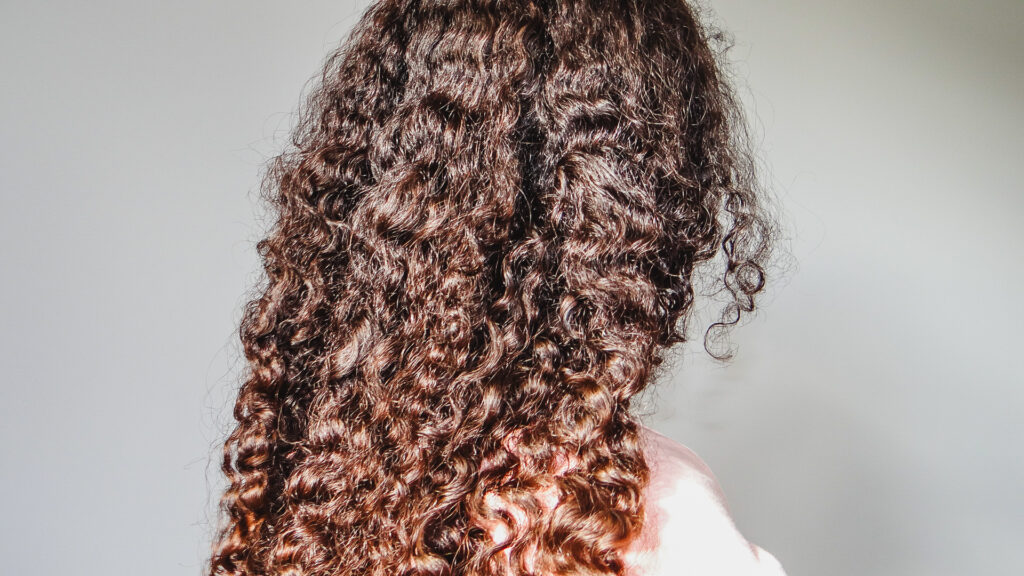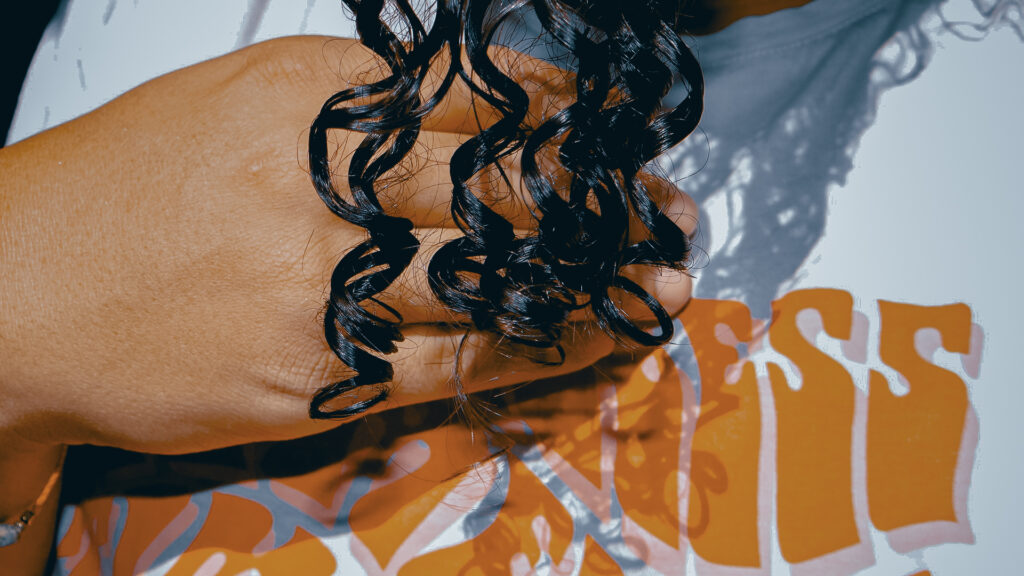
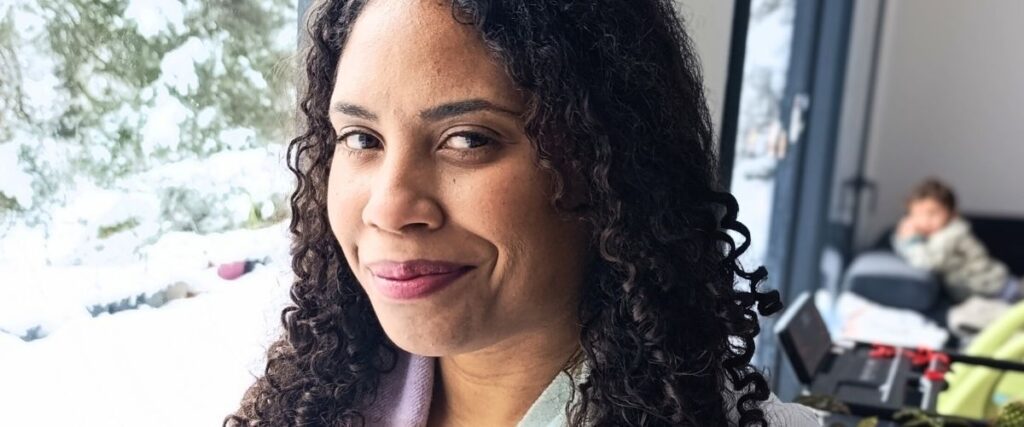
If you’re dealing with postpartum hair breakage, shedding, or fragile curls, you’re not alone. After having a baby, our hormones shift dramatically, and for many of us that means sudden breakage, thinning edges, and curls that feel weak or brittle. This guide breaks down the exact routine that helped me bring my curls back to life naturally. Simple, gentle, and made for exhausted moms.
Ever since becoming a mom, my hair has gone through a lot. Between stress, wash day gaps, and postpartum hormones, I noticed more shedding and breakage than ever before. Two years in, I finally decided to give my hair the consistent love it deserved, and little by little, I saw real improvement in strength, shine, and moisture.
This is what worked for me : no harsh products, no unrealistic expectations, just patience and gentle routines.
Week 1: Focusing on Scalp Health
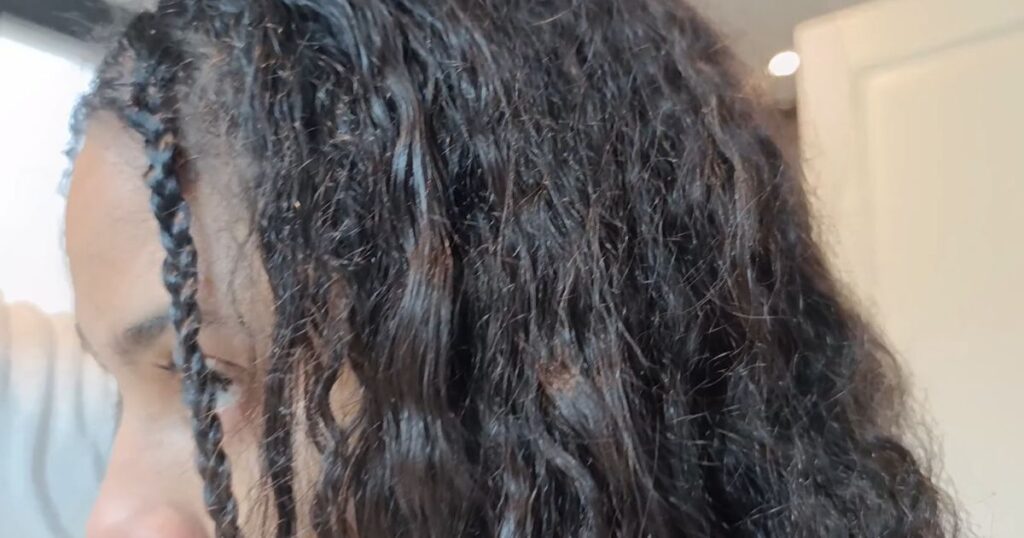
The first thing I wanted to address was my scalp. After pregnancy, my scalp often felt dry and tight — a sign that it needed moisture and circulation.
- I began massaging my scalp nightly using a light oil blend (castor + jojoba). This helped relax tension and encouraged better product absorption.
- Once a week, I used a shampoo to remove buildup and let my treatments work more effectively.
- I started to let my hair breathe between protective styles — no tight buns or constant pulling.
Tip: Be gentle when massaging. Small, circular motions with your fingertips are enough to activate the scalp. Week 1 was all about healing postpartum hair breakage from the root, literally.
Update (March 2026): I’ve since taken this even further with a 30-day finger detangling challenge — you can follow the full journey on YouTube :
Here is my guide on oils → Best Oils for Curly Hair Growth.
Week 2: Strengthening with Protein and Moisture
Once my scalp started feeling healthier, I shifted focus to strength and moisture balance. Postpartum hair can become fragile, so I added simple strengthening treatments.
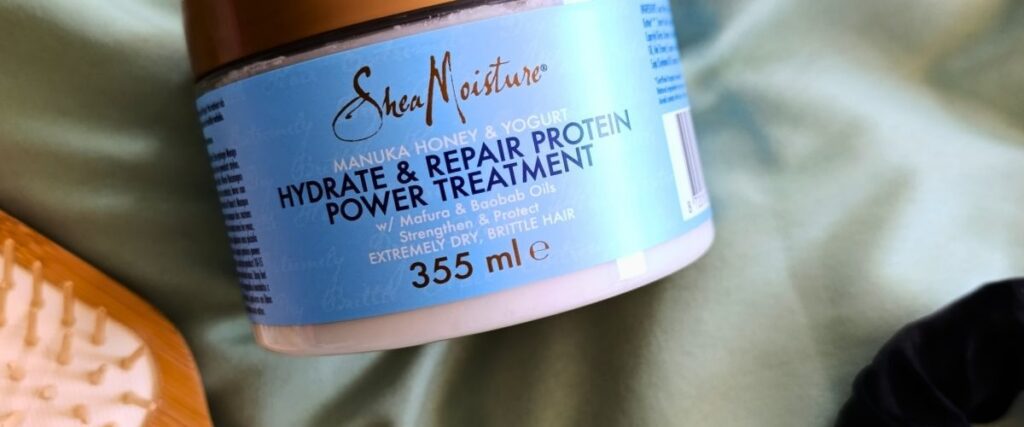
- I introduced a light protein treatment once every two weeks (I used a store-bought one for curly hair).
- On deep-conditioning days, I applied a homemade mask made with conditioner, fenugreek, olive oil and a little honey — rich in protein and hydration.
- I followed the LOC method — Leave-in first, then Oil to seal, then Cream to lock it all in. It’s a simple layering technique that keeps curls moisturized for days.
Tip: If your hair feels stiff after protein, follow up with a moisturizing mask the next wash day. Balance is everything. No more rough, dry touch by week 2. This week made the biggest difference in reducing postpartum hair breakage.
Week 3: Trimming and Consistency
Sometimes, the simplest fix is just removing the damage. I gently trimmed about 1–2 cm of my ends — not a big chop, just enough to get rid of visible split ends.
From there, I stayed consistent with my routine:
- Deep conditioning weekly
- Light scalp massages
- Protective styling that didn’t pull or cause tension
- Nighttime care with a satin pillowcase and loose pineapple bun
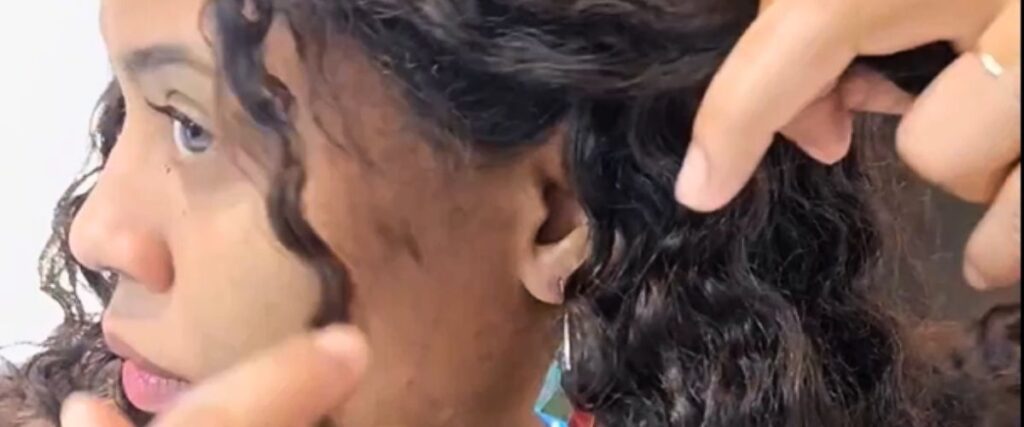
Little by little, my curls started feeling stronger, softer, and less tangled.
Boosting Recovery from the Inside
I also added a collagen + biotin supplement after discussing it with my doctor. While supplements aren’t magic, they can support healthy growth from the inside when paired with good nutrition and hydration.
Always talk to a healthcare professional before starting any new supplement, especially postpartum.
What Helped the Most
Looking back, these were the most effective habits for me:
- Consistency — no skipping wash days or rushing detangling
- Gentle detangling with a wide-tooth comb and conditioner
- Moisture-protein balance
- Rest — because stress truly affects our hair health
Hair recovery postpartum is rarely instant — it’s a slow, beautiful process of nurturing yourself again.
Results
By week three, I could finally see and feel the difference. My curls looked fuller, more defined, and actually bouncy again. The shedding had slowed, my ends felt less rough, and detangling took half the time it used to. But more than the physical change – I felt like myself again. Like I was finally taking care of me, not just getting through the day. That shift matters more than any product.
Products I Used
- Satin pillowcase
- CHI 44 Iron Guard Thermal Protection
- SHEA MOISTURE – Intense Hydration Mask
- SheaMoisture Shampoo & Conditioner, Manuka Honey & Yogurt Hydrate & Repair
Final Thoughts
Postpartum hair care is not just about products — it’s about giving yourself grace. My curls are not “perfect,” but they’re mine, and I’m learning to love every stage of growth again.
If you’re struggling with postpartum breakage, start small. Massage your scalp tonight. Drink your water. Deep condition this weekend. These tiny acts of care really do add up.
Frequently Asked Questions
Is postpartum hair breakage the same as hair loss?
Not exactly. Hair loss is shedding from the root. You’ll notice it most around your hairline and temples. Breakage happens mid-shaft, often from dryness, manipulation, or fragility. Both are common postpartum and both improve with gentle care.
When does postpartum hair loss stop?
For most people, shedding peaks around 3–4 months postpartum and slows significantly by month 6–12. Everyone’s timeline is different, but consistency with your routine really does speed up recovery.
What’s the best oil for postpartum hair breakage?
Personally I love a castor + jojoba blend for scalp massages. Castor oil supports circulation and growth, while jojoba mimics the scalp’s natural sebum. You can find my full breakdown [here].
Can I do protein treatments while breastfeeding?
Topical protein treatments (applied to hair, not ingested) are generally considered safe, but always check with your doctor if you’re unsure. I used a gentle store-bought one every two weeks.